
Before getting a dental bridge, it’s important to understand how it works, who should get it, and how to care for it over time. Understanding the benefits, risks, costs, and alternatives will help you make a confident choice. At Clove Dental Ventura, we help patients every step of the way to avoid surprises later.
Your missing teeth can affect more than just your smile. It can change how you chew, talk, and keep your jaw aligned. A dental bridge is a common solution, but it is not the right choice for everyone.
There are some things you should know before considering a dental bridge that can help you decide if it’s right for you.
We have helped many patients feel comfortable and confident with dental bridges. Our experience shows that patients who understand their options make better choices that last longer. Let’s go over what’s important.
What is a Dental Bridge, and What is Its Function?
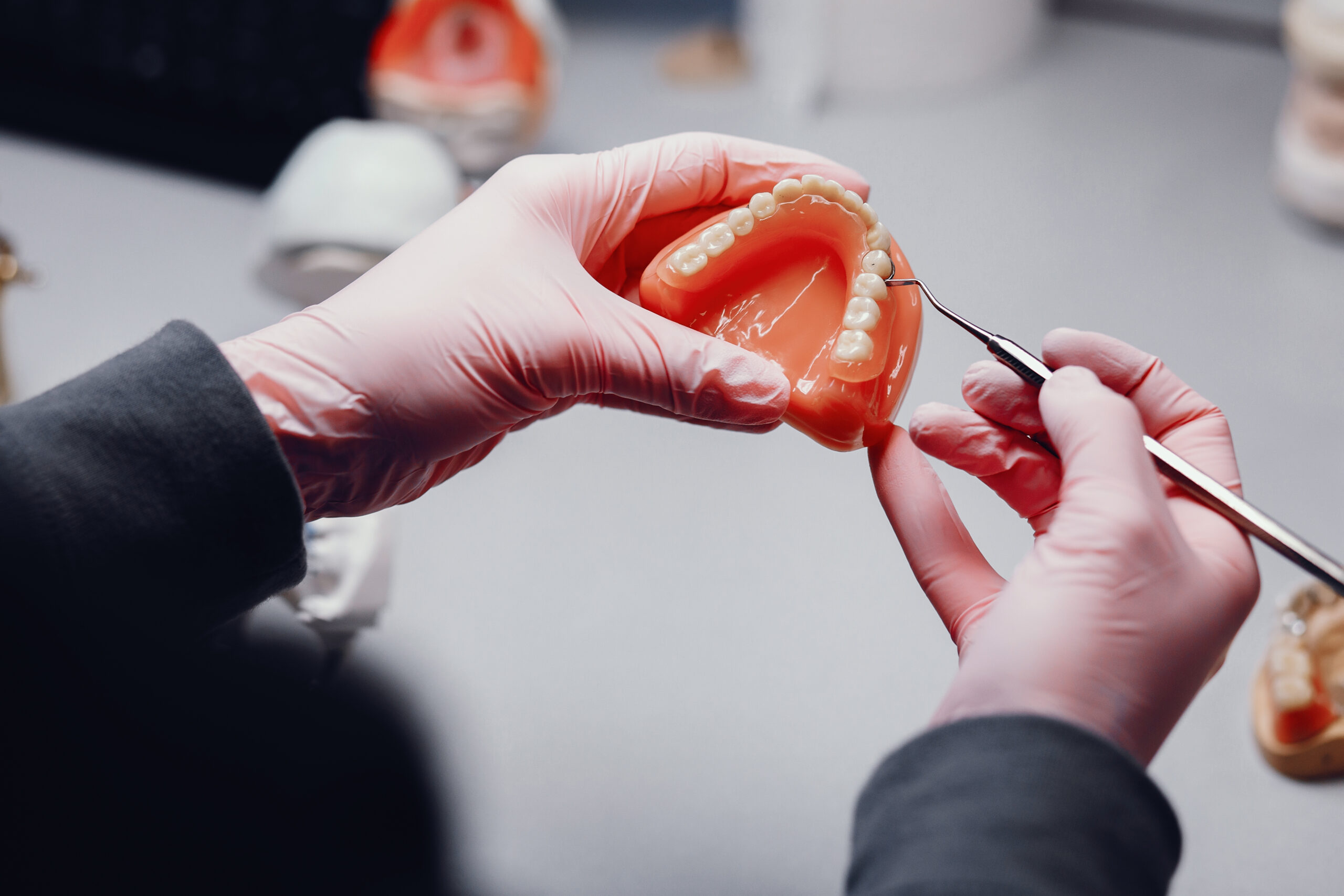
A dental bridge fills the gap from one or more missing teeth. It usually works by placing crowns on the teeth next to the gap, known as abutment teeth, and adding an artificial tooth in between.
A dental bridge helps you chew and keeps your face looking normal. It needs nearby teeth to be strong so it can work well.
Who Makes an Ideal Candidate for a Dental Bridge?
Not everyone is an ideal candidate. A dental bridge works best when the surrounding teeth and gums are healthy. If the teeth that support other teeth are weak or damaged, it may be safer to consider other options.
We check your teeth and gums before giving any treatment. It’s important to know if you’re a good fit for the treatment because that helps it work better in the long run.
What Varieties of Dental Bridges Exist?
Dental bridges come in several forms, and choosing the right one matters:
- Traditional bridges use crowns on both sides of the gap
- Cantilever bridges rely on support from one side only
- Maryland bridges use a metal or ceramic framework bonded to nearby teeth
- Implant-supported bridges use dental implants instead of natural teeth
Each type has pros and limitations. You should be aware of your choices because these are crucial when it comes to weighing durability against tooth preservation.
How Long Does a Dental Bridge Last?
A dental bridge can last 10 to 15 years or even longer with the right care. To keep it in good condition, brush and floss daily, and visit your dentist regularly.
We emphasize preventive care because bridges depend on healthy surrounding teeth. Longevity is one of the most practical things you should know, as it affects both cost and comfort over time.
What Are the Benefits of Choosing a Dental Bridge?
Dental bridges offer several proven benefits:
- Restore chewing and speaking ability
- Prevent neighboring teeth from shifting
- Maintain facial shape and bite alignment
- Improve confidence when smiling
Bridges can be a good choice for many people when they need dental help. They have some benefits, but it’s also important to think about other options. This will help you know what to consider before getting a dental bridge.
Are There Any Risks or Downsides?
Every dental procedure has considerations. When getting a bridge, nearby teeth usually need to be reshaped to support the crowns. This change is permanent.
There’s also a higher risk of decay if oral hygiene slips. We explain these risks clearly because transparency builds trust. Being aware of limitations is one of the most honest things you should know before considering a dental bridge.
How Much Does a Dental Bridge Cost?
The cost to fix teeth can vary based on the materials used and the number of teeth that need replacement. If you really need the treatment for health reasons, your insurance might help pay for it.
Understanding financial expectations early is one of the smartest things you should know. We always discuss costs so patients can plan comfortably.
How Does a Dental Bridge Compare to Dental Implants?
Dental implants do not depend on other teeth for support. Bridges are a less invasive option and are usually quicker to complete.
At Clove Dental Ventura, we help patients compare treatment timelines, costs, and long-term results. It’s important to look at your options to find a solution that lasts.
What Is the Recovery and Adjustment Period Like?
Most patients adjust to a dental bridge within a few days. Mild sensitivity is normal, but discomfort usually fades quickly.
We guide our patients closely during recovery. Knowing what to expect after treatment is another essential part of things you should know before considering a dental bridge.
How Do You Care for a Dental Bridge?
Brush your teeth twice every day. Clean under your bridge using special tools. You should visit the dentist regularly to check for problems.
We teach simple habits that protect your investment. Maintenance is often underestimated, yet it’s one of the most practical things you should know before a dental bridge.
Conclusion
When you choose a dental bridge is a meaningful step for comfort, confidence, and everyday function.
When you understand things you should know before considering a dental bridge, you get prepared to choose a solution that truly fits your requirements. From knowing your options to understanding long-term care, every detail matters.
At Clove Dental Ventura, we think that knowing your choices helps keep your smile healthy and bright. Our team will explain everything clearly and answer your questions. A dental bridge can be a good choice that helps to fix your teeth