
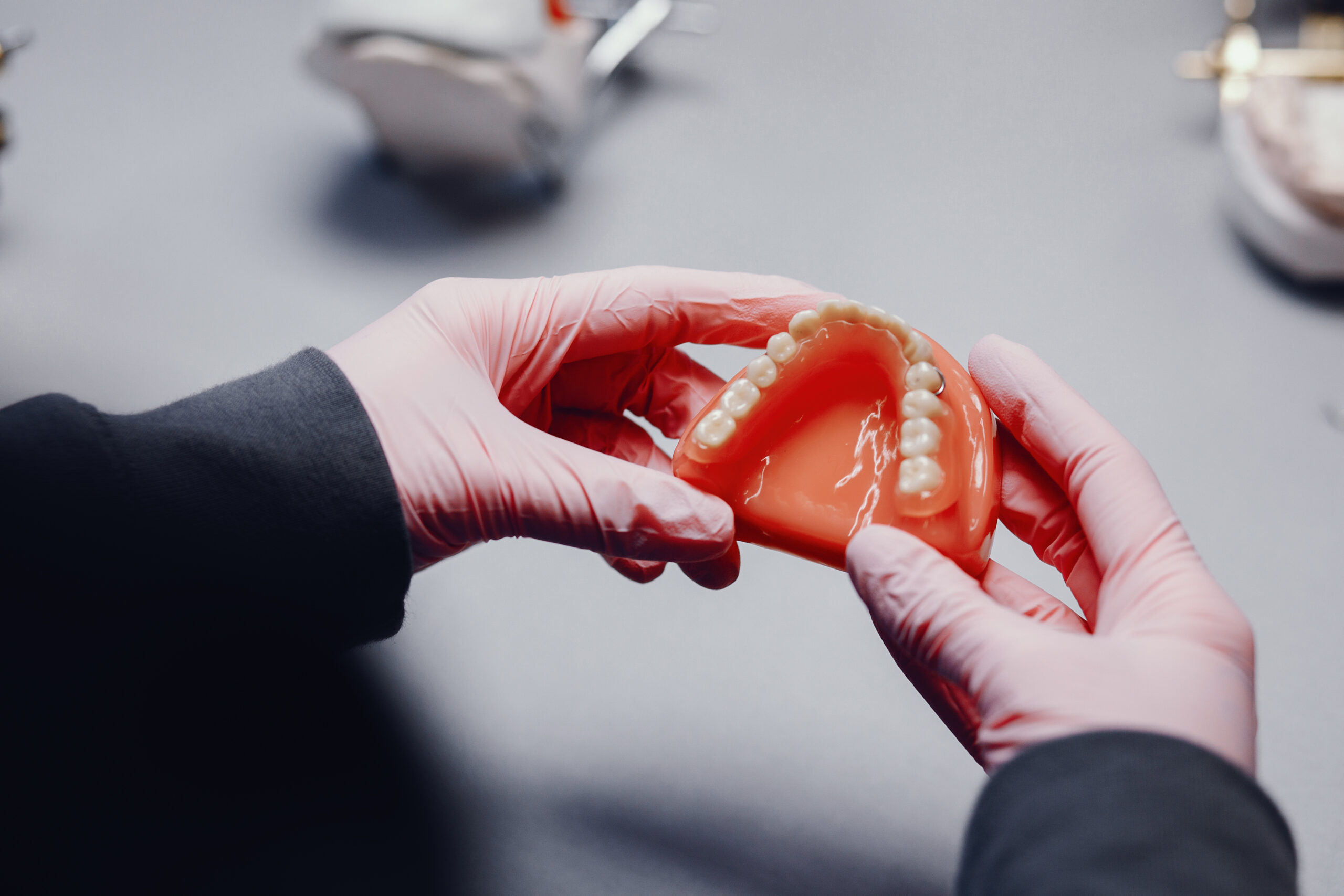
Losing a tooth leaves a space. It can make it hard to bite and chew, and it might change your smile. A dental bridge is often chosen because it brings things back to normal in a simple, fixed way.
Many people who ask about dental bridges in Ventura usually want one honest answer, how long will it last? The short answer is: it depends. But the longer answer is more helpful, because a bridge’s life is shaped by everyday habits more than anything else.
It’s Not Just About the Bridge, It’s About What Supports It
A dental bridge relies on the teeth around it. These supporting teeth do most of the work as carrying pressure every time you chew.
That’s why dental bridges in Ventura tend to last longer when those supporting teeth stay strong and healthy. If the gums or nearby teeth weaken, the bridge can lose its stability, even if the bridge itself is still in good condition.
What “10 to 15 Years” Really Means in Real Life
You’ll often hear that bridges last around 10 to 15 years. That’s a fair estimate, but it’s not a fixed rule.
Some patients with dental bridges in Ventura keep them much longer without issues. Others may need adjustments earlier. The difference usually comes down to care, not luck.
Think of it like this: the bridge doesn’t wear out overnight. It slowly responds to how it’s treated over time.
Small Daily Habits Make a Big Difference
Most people don’t damage their dental bridge in one moment. It’s the small, repeated habits that add up.
Brushing and flossing matter, especially around the bridge. Food can get stuck underneath, and if it’s not cleaned well, it can harm the supporting teeth.
People who do well with dental bridges in Ventura usually stick to simple routines. Nothing complicated, just consistent care.
Chewing Patterns You Don’t Even Notice
Most people don’t think about how they chew, but these small, unconscious habits can quietly affect their dental health over time.
- You may chew mostly on one side without realizing it, which puts extra pressure on certain teeth
- Clenching your teeth during stress can strain the bridge and the supporting teeth
- Nighttime grinding (even if you’re unaware of it) can slowly wear down the structure
- Biting too hard on one side, especially with tougher foods, can create uneven force
- Skipping softer chewing on both sides can reduce balance in your bite over time
These habits don’t cause problems overnight, but repeated stress can make a difference. Paying a little attention to how you use your teeth each day can help your dental bridge last longer without added strain.
Food Choices That Can Help, or Hurt
You don’t need to avoid your favorite foods, but a little awareness goes a long way.
Very hard foods, like ice or hard candy, can create stress on a bridge. Sticky foods can also pull at it in ways that aren’t always noticeable at first.
Patients with dental bridges in Ventura usually don’t need strict restrictions. It’s more about avoiding repeated strain rather than occasional treats.
Cleaning Around a Bridge Takes a Bit More Effort
A dental bridge isn’t removed like a denture, so cleaning underneath it takes a little extra care.
This is where many people slip up. Brushing alone isn’t enough. Tools like floss threaders or water flossers help clean areas that are easy to miss.
Cleaning your teeth helps keep the teeth that support dental bridges healthy. Healthy teeth make the bridge last longer.
Regular Checkups Keep Things on Track
If everything feels fine, routine dental visits are still important.
When you visit, dentists check how well dental bridges are working. They look for any problems with how they fit, the way you bite, or the health of your gums. These are things you might not see at home.
Catching these early makes a big difference. It can turn a simple fix into something that prevents bigger problems later.
Early Signs You Shouldn’t Ignore
Dental bridges usually don’t fail suddenly. There are small signs first.
You might notice slight sensitivity, a change in how your bite feels, or a bit of movement. These are signals worth paying attention to.
People who act early when something feels off with dental bridges in Ventura often avoid more complex treatment later.
Why Consistency Matters More Than Perfection
You don’t need perfect habits to keep a dental bridge in good shape. You just need steady ones.
Patients who take care of dental bridges in Ventura over time, without skipping months of care, tend to get the best results. It’s about showing up for your oral health regularly, not doing everything perfectly once in a while.
A Simple Way to Think About Longevity
A dental bridge is built to last, but it depends on the environment around it. Healthy gums, strong supporting teeth, and regular care all work together.
At Clove Dental Ventura, we focus on making sure each bridge is placed with care and fits naturally into your bite. Just as important, we guide patients on how to maintain it in a way that feels realistic and manageable.
We want to help everyone have strong and comfy teeth for a long time.
Conclusion
Dental bridges are a dependable solution for missing teeth, but their lifespan isn’t fixed. Regular habits and proper care shape it, along with how well the surrounding teeth are looked after.
Choosing dental bridges in Ventura is a step toward restoring comfort and function. Keeping that result over the years comes down to simple, consistent care and paying attention to small changes.
A dental bridge can be strong and stable for many years if cared for properly. It can also feel natural.