
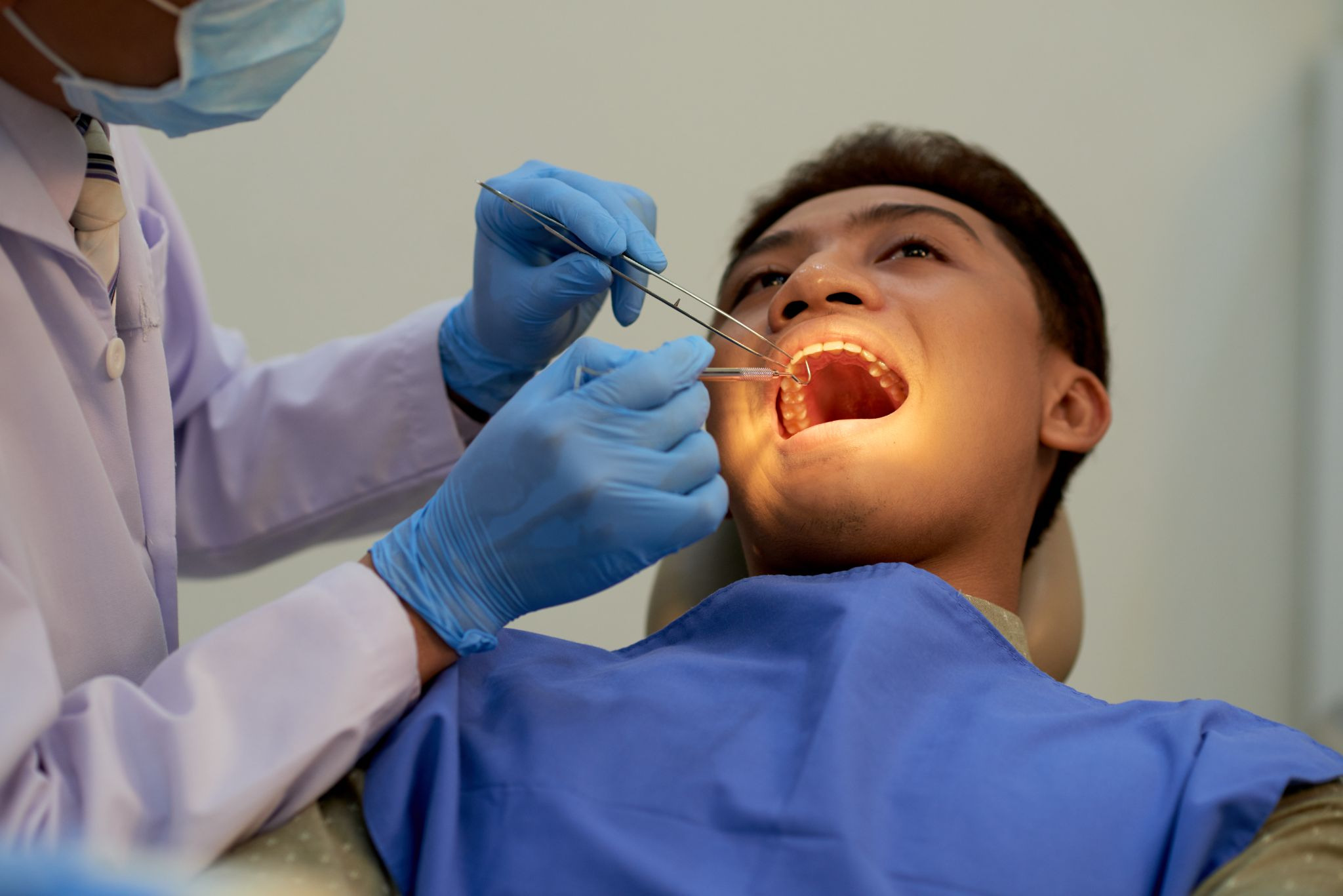
People ask a lot of questions before getting a missing tooth replaced, but one of the most common ones sounds almost too simple: how long will this last? It’s a fair question, and the honest answer depends on more than just the material sitting in your mouth. It depends on what your mouth deals with every single day, and here in Ventura, that includes salt air, beach afternoons, and a diet full of citrus and coffee that most people don’t think twice about.
Dental bridges in Ventura patients choose to come with a general lifespan on paper, somewhere between ten and fifteen years with good care. But that number shifts depending on habits, upkeep, and yes, even the environment you live in. At Clove Dental Ventura, we get asked about this constantly, and the answer is more interesting than most people expect.
What a Bridge Is Really Holding Together
A bridge isn’t just the fake tooth sitting in the gap. It’s anchored to the teeth on either side, called abutment teeth, which carry the weight and pressure the missing tooth used to handle on its own. Those anchor teeth become the real deciding factor in how long dental bridges in Ventura residents keep functioning without issues.
If those anchor teeth stay healthy, strong, and free of decay, the bridge sitting on top of them tends to hold up well. If the anchor teeth start having problems, the whole structure is only as stable as its weakest support. This is why a bridge failing early rarely has anything to do with the bridge material itself. It comes down, more often than not, to what’s happening underneath it.
Salt Air Doesn’t Touch Your Teeth, But Your Habits Do
Here’s something worth clearing up. The salt air along Ventura’s coast doesn’t corrode a dental bridge the way it might affect metal on a car or a bike left outside. Porcelain and metal alloys used in bridges are built to withstand a wet mouth environment just fine.
What matters more is what tends to come along with coastal living. More sun means more time outdoors, which often means more snacking, more iced coffee, more citrus drinks after a day at the beach. None of that damages a bridge directly, but it does affect the natural teeth anchoring it, and dental bridges in Ventura patients get the most life out of those when those daily habits are paired with consistent brushing and rinsing.
The Cleaning Step Almost Everyone Gets Wrong
A bridge creates a small gap underneath the false tooth where it connects to the gum line, and this spot is nearly impossible to clean with a regular toothbrush alone. Floss doesn’t slide through the way it does between natural teeth either, because the bridge is one connected piece rather than separate teeth you can floss individually.
This is where a floss threader or a water flosser becomes less of a suggestion and more of a requirement. Skipping this step is one of the biggest reasons dental bridges in Ventura patients end up needing early repairs, not because the bridge itself failed, but because bacteria built up underneath it for months without anyone noticing.
Grinding: The Quiet Bridge Killer
A lot of people grind their teeth at night without realizing it until a dentist points out the wear patterns. Grinding puts repeated pressure on a bridge that it wasn’t built to absorb constantly, and over time, that pressure can loosen the cement holding it in place or crack the material itself.
If you’ve been told you grind your teeth, a nightguard genuinely extends how long dental bridges in Ventura patients keep their restoration without issues. It’s a small, inexpensive habit that solves a problem most people don’t even know they have.
What Ten Years Really Looks Like
A well-maintained bridge at the ten-year mark still looks close to how it did on day one in most cases, assuming the anchor teeth stayed healthy and cleaning stayed consistent. Some patients get well past fifteen years without any issues. Others need a replacement closer to eight years, often because of grinding, gum disease around the anchor teeth, or skipped checkups that let small problems grow.
The honest truth is that dental bridges in Ventura patients get the most value from are the ones paired with regular dental visits, not just good brushing at home. We catch small issues at checkups that patients would never notice on their own, and catching them early is almost always the difference between a bridge lasting eight years or fifteen.
Conclusion
If you’re considering a bridge or already have one and are wondering whether it’s holding up the way it should, come talk to us at Clove Dental Ventura. We’ll take a look at the anchor teeth, check for any early wear, and make sure whatever’s supporting your smile is built to last as long as it’s supposed to, salt air and all.