
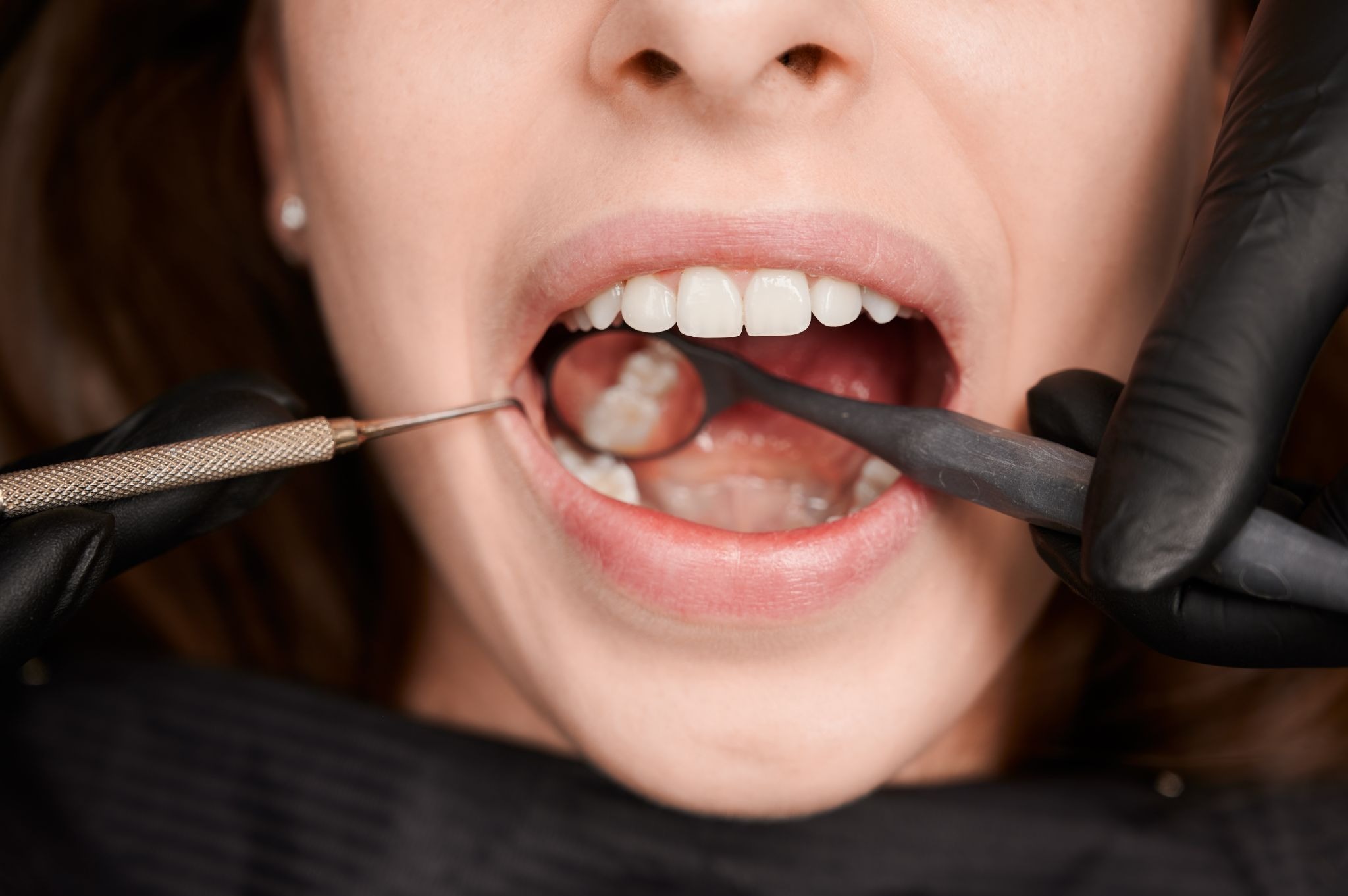
There’s a particular kind of relief in biting down on a repaired tooth and not feeling any difference at all, no ridge, no gap, nothing catching your tongue. That’s the entire point of a dental inlay, and it’s why more patients searching inlays near me are asking specifically for this option instead of settling for whatever their dentist suggests first.
We get enough questions about this at Clove Dental Ventura to know most people have never had it explained properly.
Why a Filling Shrinks and an Inlay Doesn’t
Here’s a detail almost nobody mentions: when a filling is placed directly into your tooth, the material has to harden, or cure, right there inside the cavity. Composite resin shrinks slightly as it cures, even with modern materials designed to minimize this. That tiny shrinkage can leave microscopic gaps at the edges over time.
An inlay skips this problem entirely because it’s shaped and hardened outside your mouth in a lab, then cemented into place already fully set. Searching “inlays near me” is really searching for a repair that sidesteps a shrinkage issue most patients never even knew existed.
The Two-Visit Process, Broken Down Simply
Getting an inlay usually happens over two appointments, and knowing what each one involves takes a lot of the mystery out of it:
- First visit – decayed material is removed, the tooth is shaped, and either a physical impression or digital scan is taken
- Temporary placement – a soft, short-term filling protects the tooth while the permanent inlay is being made
- Lab fabrication – the inlay is custom-milled or hand-crafted to match your exact tooth shape and bite
- Second visit – the temporary is removed, the fit is checked carefully, and the inlay is bonded permanently into place
That gap between visits, usually one to two weeks, is where the precision happens.
What “Fits Like It Was Never Broken” Means
This phrase gets thrown around loosely, so here’s what it really refers to. A well-made inlay is checked against your bite using thin marking paper that shows exactly where your teeth touch when you close your mouth.
If the inlay sits even slightly too high, it gets adjusted before final bonding, because a high spot creates pressure that can cause discomfort or even crack the restoration down the line. Getting this step right is what separates an inlay that disappears into your bite from one you keep noticing every time you chew.
Materials Behind the Scenes
Most “inlays near me” searches turn up options in porcelain, composite resin, or gold, and each behaves a little differently once it’s in your mouth.
- Porcelain blends in visually and holds its shape well under normal chewing.
- Composite costs less but tends to wear faster than porcelain over the years.
- Gold, while rarely requested for looks, remains one of the most predictable materials for molars that take on heavy bite force day after day.
The Bonding Step That Makes Inlays More Than Just a Plug
Unlike older restoration methods that relied purely on mechanical retention, meaning the material was held in place by the shape of the cavity alone, modern inlays are bonded using adhesive cement that chemically attaches to both the tooth and the inlay material.
This bonding process adds a layer of support back to the tooth structure, which is part of why “inlays near me” searches have grown among patients wanting a repair that does more than just fill a hole.
How Long an Inlay Lasts
With reasonable care, porcelain inlays typically last between ten and fifteen years, sometimes longer depending on bite habits and whether the patient grinds their teeth at night.
That’s a notably longer lifespan than a standard filling in a tooth carrying the same amount of damage, which is often the deciding factor for patients comparing “inlays near me” against a simpler, cheaper repair.
Why Clove Dental Ventura Takes the Bite Check Seriously
At Clove Dental Ventura, we never skip the bite adjustment step, even when a patient is eager to leave the chair.
A rushed fit check is one of the most common reasons a restoration ends up feeling wrong weeks later. And it’s a step we’d rather spend an extra few minutes on than have a patient come back with discomfort that could’ve been caught the first time.
A Repair Worth Asking About by Name
If your dentist mentions your cavity is too large for a standard filling, don’t let the conversation jump straight to a crown without asking about “inlays near me” first.
It’s a repair that takes a little more time to complete, but the fit, strength, and longevity it offers make that extra step worth the wait for a lot of patients.