
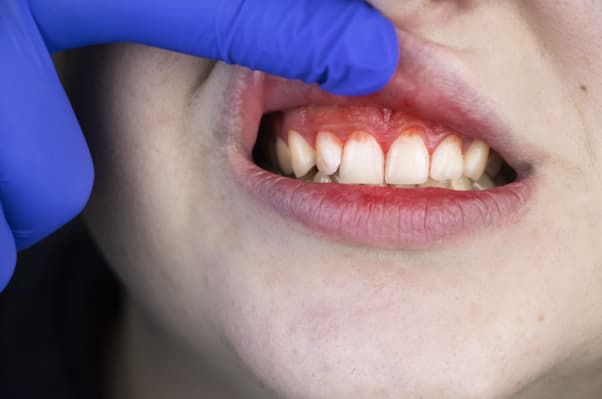
Key Takeaways
- Longer screen time increases jaw tension and clenching.
- Poor posture can strain the jaw and worsen gum inflammation.
- Snacking while working from home raises the risk of gum disease.
- Dry mouth from less hydration can affect gum health and tooth enamel.
- Seeing a dentist for gum disease early helps prevent long-term damage.
Do you spend hours working from your laptop or home office? Many Ventura residents now work remotely, and we often hear the same question: “Why are my gums suddenly more sensitive or swollen?” The quick answer is that long screen time and home-office habits can create hidden stress on your mouth.
From jaw tension to dehydration to constant snacking, remote work can increase your risk of gum problems. Understanding these changes can help you protect your smile and know when it’s time to visit a dentist for gum disease for proper care.
Let’s break down how working from home affects your oral health and what you can do to stay ahead of gum issues.
How Longer Screen Time Affects Your Jaw and Gums
Clenching and Grinding from Focused Screen Time
When we concentrate, we tend to clench our jaw without realizing it. Hours of Zoom calls or spreadsheets can trigger:
- Jaw tension
- Tooth sensitivity
- Gum soreness
- Headaches
- Wear on enamel
This tension can irritate the tissues around your teeth, making your gums more prone to inflammation. If you notice sore gums in the morning, jaw fatigue, or ear pain, it may be time to talk to a dentist for gum disease who can evaluate both your gums and TMJ.
Poor Home-Office Posture Can Strain the Jaw
Working from couches, beds, or low tables forces your neck and jaw forward. This posture changes how your teeth fit together, creating pressure that can irritate your gums.
Signs posture may be affecting your oral health:
- Pain when chewing
- Clicking or popping in the jaw
- Tight shoulders or neck
- Gums that feel sore by the end of the day
We often treat remote workers who think they have a gum infection, but the real issue is jaw strain that mimics gum pain. A dentist for gum disease can help identify the difference and recommend solutions.
Frequent Snacking and Sugary Drinks
When you’re steps from the kitchen, it’s easy to snack throughout the day. Constant grazing gives bacteria more fuel, which increases your risk of:
- Gum inflammation
- Bleeding gums
- Cavities
- Plaque buildup
Even “healthy” snacks like dried fruit or granola bars can stick to teeth. If gum swelling or bleeding becomes regular, visiting a dentist for gum disease is a smart next step.
Dehydration from Coffee and Too-Little Water
Remote workers often replace water with coffee, tea, or energy drinks. But without enough hydration, saliva production drops, leading to dry mouth. Saliva is essential for protecting gums and washing away harmful bacteria.
Dry mouth symptoms include:
- Persistent bad breath
- Sticky feeling in the mouth
- Increased plaque
- Higher gum sensitivity
If you’re experiencing these signs, a dentist for gum disease can help prevent dryness from turning into gum problems.
Skipping Routine Oral Hygiene Without a Work Schedule
Without a morning commute, many people wake up later, eat at odd hours, or forget to brush as consistently. Over time, this leads to more plaque and early gum irritation.
If your gums look red or puffy, don’t wait; a dentist for gum disease can help reverse early signs before they progress.
Simple Ways Ventura Remote Workers Can Protect Their Gums
1. Follow the 20-20-20 Rule
Every 20 minutes, look 20 feet away for 20 seconds. This reduces jaw clenching and facial tension.
2. Set a “Hydration Timer.”
Drink a glass of water every hour. It supports saliva flow and keeps gums healthier.
3. Snack Less and Choose Better Options
Swap sticky snacks for:
- Cheese
- Nuts
- Fresh fruit
- Veggies
- Sugar-free gum
4. Use a Night Guard if You Clench
If your jaw feels tired, you wake up with sensitive teeth, or you notice gum soreness, ask a dentist about gum disease. A night guard could help protect your smile.
5. Keep Your Twice-Daily Brushing Routine
Even without a commute, maintain:
- Brushing for 2 minutes
- Flossing once a day
- Routine cleanings twice a year
If bleeding gums persist, don’t assume it’s “normal.” A checkup with a dentist for gum disease can determine whether you’re dealing with early gum disease or something else.
Conclusion
Remote work offers comfort and flexibility, but it also brings hidden challenges for your mouth. From clenching to dehydration, these daily habits can quietly impact your gums.
If you’re noticing bleeding, sensitivity, or ongoing discomfort, a visit to a dentist for gum disease can help catch problems early and keep your smile healthy. We’re here to support Ventura’s remote workers with personalized care that fits into your routine.
Ready to take better care of your gums? Schedule a visit and let us help you stay on top of your oral health, from home or the office.
FAQs
1. Can working from home really affect my gum health?
Yes. Long hours of screen time often lead to jaw clenching, dehydration, and frequent snacking, all of which can increase gum inflammation. Many remote workers don’t realize these habits can quietly raise their risk of gum disease until symptoms like bleeding or soreness appear.
2. Why do my gums feel sore or swollen after a workday?
Jaw tension from focused screen work and poor posture can put extra pressure on the teeth and supporting gums. This pressure can irritate gum tissue and make it feel tender. A dentist for gum disease can help determine whether the issue is inflammation, bite strain, or both.
3. Does frequent snacking while working increase the risk of gum disease?
Yes. Constant snacking gives oral bacteria a steady food source, which leads to more plaque buildup around the gums. Over time, this can cause redness, bleeding, and early gum disease, especially if flossing and brushing aren’t consistent.
4. How does dehydration from coffee affect my gums?
Coffee and long work hours can reduce saliva flow, leading to dry mouth. Saliva helps protect gums and control bacteria, so low saliva levels can increase irritation and gum inflammation. If dry mouth and gum sensitivity persist, seeing a dentist for gum disease is important.
5. When should a remote worker see a dentist about gum issues?
You should schedule a visit if you notice bleeding gums, persistent soreness, bad breath, gum swelling, or jaw pain. Early care from a dentist for gum disease can prevent mild inflammation from turning into more serious gum problems.
6. Can gum disease from remote work habits be reversed?
In many cases, yes. Early gum disease can often be reversed with professional cleanings, improved home care, and addressing habits like clenching or dehydration. A dentist for gum disease can create a personalized plan to help your gums heal and stay healthy long-term.