
Key Takeaways
- A digital bite analysis (T-Scan) shows how your teeth make contact in real time.
- Bite imbalance can lead to jaw pain, headaches, and gum inflammation.
- The T-Scan is more accurate than traditional bite paper or visual checks.
- Early detection helps your dentist for gum disease prevent long-term damage.
- Small bite adjustments can improve comfort, stability, and oral health.
Have you ever wondered why your jaw clicks, why one tooth feels “off,” or why your gums get irritated even though you brush well? Many Ventura patients ask us the same thing. The quick answer is that these problems often come from an uneven bite, something most people don’t even realize they have.
A digital bite analysis using T-Scan technology helps us pinpoint the exact cause of these issues. And surprisingly, this tool also helps your dentist for gum disease understand how bite pressure affects gum health.
Let’s break down how this technology works and why more Ventura patients are choosing it for TMJ relief, bite balance, and gum protection.
What Is a Digital Bite Analysis (T-Scan)?
The T-Scan is a small, ultra-thin sensor you bite down on while the system records how your teeth touch. It shows:
- Which teeth hit first
- How hard each tooth makes contact
- Whether the pressure is balanced
- How your bite shifts as you chew
Instead of guessing, a digital bite analysis gives us precise, real-time data.
This accuracy is a major reason more patients searching for a dentist for gum disease are being evaluated with T-Scan technology.
Why Bite Imbalance Matters More Than You Think
1. Uneven Bite Pressure Irritates Your Gums
When one tooth hits too hard, it pushes into the bone and gums more than it should. Over time, this can cause:
- Gum recession
- Sensitivity
- Localized swelling
- Food trapping
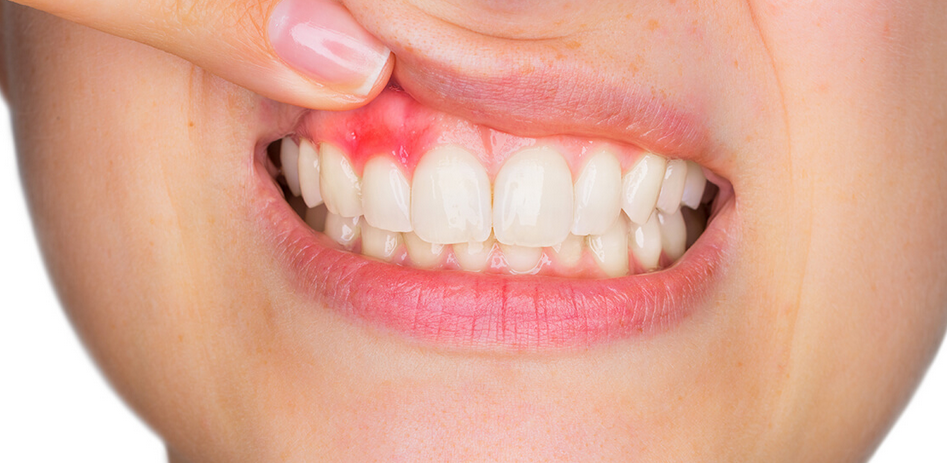
- Early gum inflammation
We often see patients who think they need gum medication, but what they really need is a bite adjustment. This is why a dentist for gum disease may recommend a T-Scan to check whether pressure is contributing to gum problems.
2. Bite Issues Can Make TMJ Symptoms Worse
If your teeth don’t meet evenly, the jaw joint compensates. This can lead to:
- Clicking or popping
- Stiff jaw muscles
- Headaches
- Neck pain
- Difficulty chewing
Traditional exam methods often miss these small imbalances. T-Scan technology helps us spot them instantly.
3. Old Dental Work May Shift Your Bite Over Time
Fillings, crowns, and bridges can slightly change how your teeth meet, even if they feel fine at first. A high spot in a restoration may cause gum tenderness or bite changes months later.
When patients come to a dentist for gum disease with isolated gum soreness, bite imbalance is often the hidden cause. A digital analysis makes it easy to confirm.
How the T-Scan Works During Your Visit
Step 1: Bite on the Thin Sensor
You gently bite down like normal while the sensor records the timing and force of each contact.
Step 2: Watch Your Bite on the Screen
You’ll see a colorful map showing which teeth hit hardest and how your bite shifts.
Step 3: Make Small Adjustments
If needed, we adjust high spots on fillings or enamel to create a balanced bite.
Step 4: Recheck for Accuracy
You bite again to confirm the correction.
This process is quick, painless, and provides insight you can’t get from bite paper alone.
How Digital Bite Analysis Helps Gum Health
Pinpointing Pressure That Causes Recession
A recession often starts with too much force on a single tooth. T-Scan helps a dentist for gum disease identify and reduce that pressure before the gum pulls back further.
Reducing Inflammation and Sensitivity
Balancing your bite reduces stress on teeth and gums, allowing irritated areas to heal naturally.
Preventing Future Bone Loss
Uneven pressure can stress the bone around teeth. Adjusting the bite helps protect the bone, especially in early gum disease cases.
Do You Need a Digital Bite Analysis? Look for These Signs
You may benefit from a T-Scan assessment if you experience:
- Jaw clicking
- Headaches or facial pain
- Tooth sensitivity
- Gum recession
- Uneven wear on teeth
- Chronic gum irritation
- One tooth feels “high” or uncomfortable
- TMJ tension
These symptoms often overlap with gum disease, which is why many patients turn to a dentist for gum disease for help and get evaluated for bite issues as part of treatment.
Conclusion
Digital bite analysis gives us a clearer picture of how your teeth and jaw work together. Whether you’re dealing with gum irritation, jaw discomfort, or bite-related wear, T-Scan helps us find the exact cause and create a simple solution.
If you’re noticing pain, sensitivity, or signs of an uneven bite, a visit to a dentist for gum disease can help you understand what’s really going on, and what steps will protect your smile long-term.
Ready to get to the root of your gum or jaw discomfort? Schedule your bite analysis today and start feeling the difference.
FAQs
1. What is a digital bite analysis, and why is it different from traditional bite checks?
A digital bite analysis uses T-Scan technology to measure how your teeth contact each other in real time. Unlike bite paper, which only shows contact points, this system records timing and pressure. This helps a dentist for gum disease identify bite imbalances that may be irritating the gums or stressing certain teeth.
2. Can an uneven bite really affect my gums?
Yes. When one tooth absorbs more pressure than others, it can stress the surrounding bone and gum tissue. Over time, this may lead to gum inflammation, recession, or sensitivity. Many patients are surprised to learn that their gum issues are related to bite force rather than brushing habits alone.
3. How does T-Scan help with TMJ pain and jaw discomfort?
T-Scan shows which teeth hit first and how the bite shifts during movement. When the bite is uneven, the jaw muscles and joints compensate, often causing clicking, tension, or headaches. By identifying and correcting these pressure points, discomfort often improves quickly.
4. Is digital bite analysis helpful if I already have gum disease?
Absolutely. A dentist for gum disease may use T-Scan to locate excessive pressure on teeth with gum recession or bone loss. Reducing that pressure can help prevent further damage and support healing alongside traditional gum treatments.
5. Does the T-Scan procedure hurt or take a long time?
No. The process is painless and usually takes only a few minutes. You simply bite down on a thin sensor while the system records data. Many patients appreciate seeing a visual explanation of their bite, which makes treatment recommendations easier to understand.