
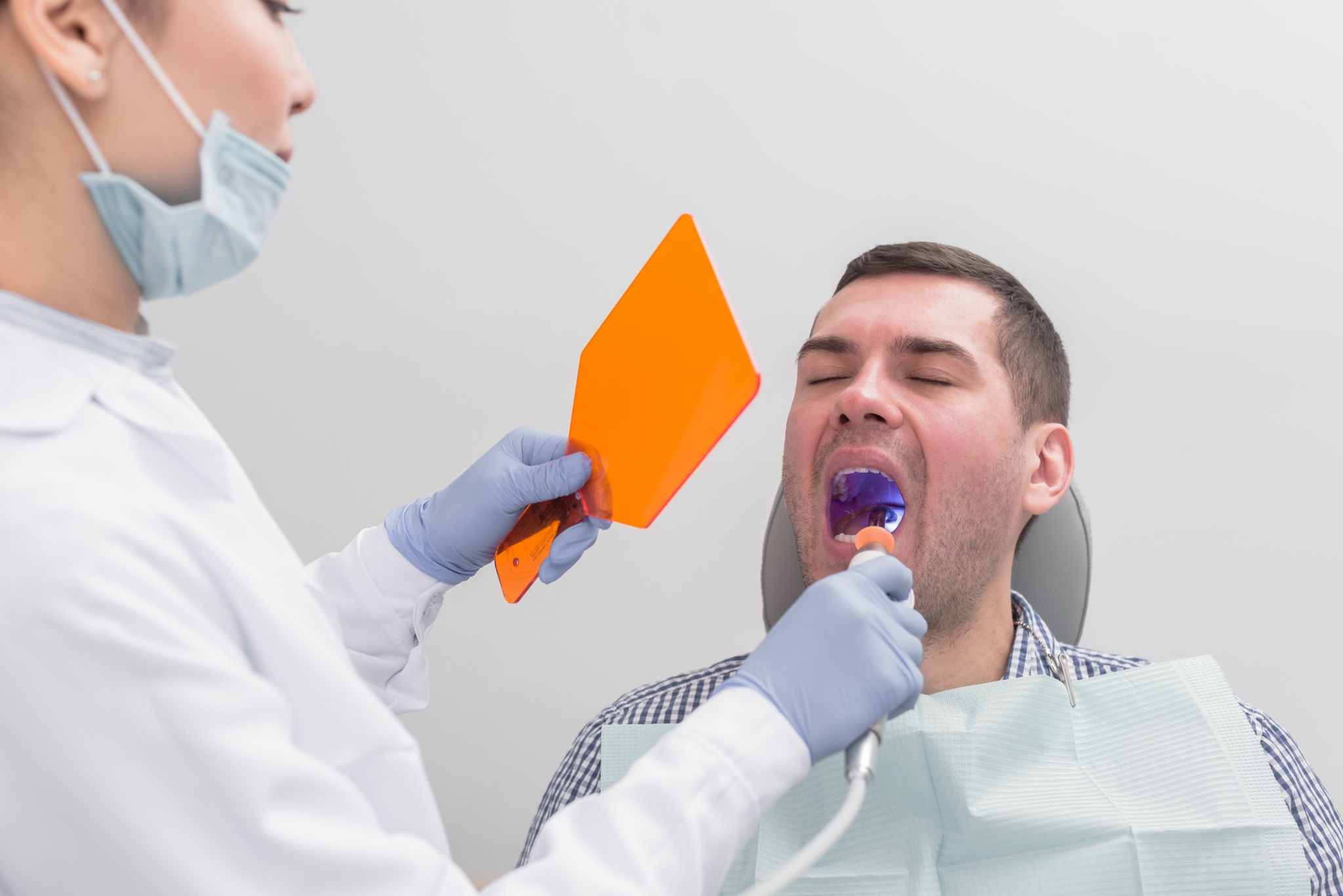
Say the words oral cancer screening out loud and most people picture a long-time smoker sitting in a dental chair. That assumption is exactly why so many other patients skip this exam without a second thought, assuming it doesn’t apply to them.
We correct this assumption regularly at Clove Dental Ventura, because the list of people who genuinely benefit from screening is a lot longer and more varied than smoking status alone.
The Virus Nobody Connects to Oral Health
Here’s something rarely discussed outside of medical circles: HPV, the same virus linked to cervical cancer, is now one of the fastest-growing causes of oral and throat cancers, and it affects people who’ve never smoked a cigarette in their life. This shift has changed who dentists actually watch closely during an oral cancer screening.
Younger patients, non-smokers, and people with no obvious risk factors on paper are showing up in these statistics more than they used to, which is exactly why screening shouldn’t be reserved for a specific demographic anymore.
Sun Exposure Is a Bigger Factor Than People Assume
This connection rarely gets mentioned, yet it matters more than most patients realize. Years of sun exposure on the lips, especially for anyone who spends a lot of time outdoors without lip protection, raises the risk of lip cancer specifically.
Surfers, gardeners, and outdoor workers along the Ventura coast fall into this category more than they’d expect, and an oral cancer screening checks the lips just as carefully as the inside of the mouth for exactly this reason.
Alcohol and Tobacco Together Change the Math Completely
Most people know smoking raises cancer risk, and some know drinking does too. What’s rarely explained is that combining both multiplies the risk rather than simply adding the two together. Someone who both smokes and drinks regularly faces a considerably higher risk than either habit alone would suggest.
This combined effect is one of the clearest reasons a dentist will recommend more frequent oral cancer screening for patients who fall into both categories rather than treating it as a standard annual routine.
Family History Deserves a Direct Conversation
Genetics plays a quiet role here that patients almost never bring up on their own. If a close family member has had oral, throat, or even certain other head and neck cancers, that history changes how closely your own screening should be monitored.
Mentioning this during a routine visit gives your dentist a reason to look more carefully and screen more frequently than they would for a patient with no such background.
What an Oral Cancer Screening Involves
The exam itself is quick and doesn’t require any special preparation:
- A visual check of the lips, cheeks, gums, and roof of the mouth
- Gentle feeling of the tongue, floor of the mouth, and jaw for unusual lumps
- Checking lymph nodes in the neck for swelling or tenderness
- A closer look at any sores, white or red patches, or areas that haven’t healed within two weeks
None of this involves discomfort, and most patients don’t even realize it’s happening during a routine cleaning appointment.
The Two-Week Rule Most Patients Have Never Heard Of
Here’s a detail worth remembering: a mouth sore that hasn’t healed within two weeks is worth mentioning to your dentist, regardless of how minor it looks.
Most mouth sores from biting your cheek or a rough edge on a tooth heal well within that window. Anything lingering past two weeks is exactly the kind of thing an oral cancer screening is designed to catch early, before it becomes something more serious.
Why Early Detection Changes Everything Here
Oral cancers caught early have significantly better outcomes than those caught after symptoms become obvious, since early lesions are often smaller and more treatable.
The frustrating part is that early-stage changes rarely cause pain, which means people don’t seek help until the problem has already progressed. Regular oral cancer screening removes the guesswork from waiting for pain that might never come until it’s too late to matter.
How Clove Dental Ventura Approaches Screening for Every Patient
At Clove Dental Ventura, screening isn’t reserved for patients who fit a specific risk profile on paper. Every routine visit includes a thorough check, regardless of age, smoking history, or how low-risk a patient might assume themselves to be, because the shifting causes behind oral cancer mean assumptions aren’t a reliable filter anymore.
Conclusion
If your last dental visit didn’t include a clear conversation about oral cancer screening, that’s worth asking about directly at your next appointment.
The exam takes only a few extra minutes, and given how much the risk factors have expanded beyond just smoking, it’s relevant to a far wider group of people than most patients assume.