
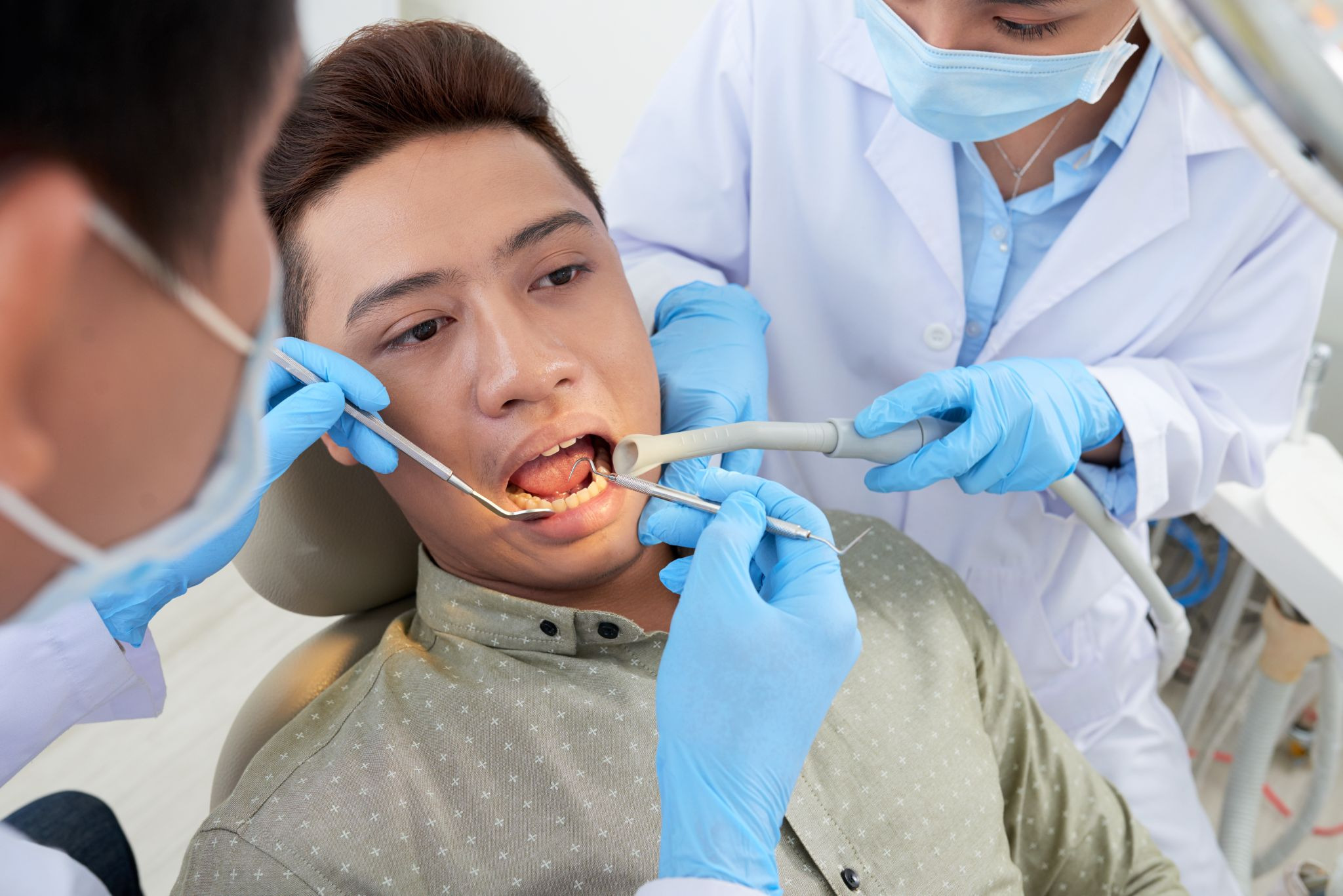
You notice it while brushing one morning. A tooth that seems to wiggle just slightly more than it used to. Or maybe your gums look like they’ve pulled back a little, exposing more of the tooth than you remember.
These aren’t small cosmetic details you can brush off. They’re your mouth’s way of telling you something is wrong underneath, and they’re exactly why so many people start searching for gum disease near me long after the problem has already begun.
Your Gums Move Before Your Teeth Do
Gum recession doesn’t happen overnight, and it rarely happens evenly across your whole mouth. It usually starts around one or two teeth, often the ones you brush hardest or the ones under the most bite pressure. As gums pull away, they expose the root surface underneath, which isn’t protected by enamel the way the visible part of your tooth is. That root surface is softer and far more vulnerable to decay and sensitivity. Once you spot recession forming, that’s the point where finding a dentist for gum disease near me stops being optional and starts being urgent.
Why a Loose Tooth Is a Bigger Warning Than It Feels Like
A slightly loose tooth in an adult mouth is never something to wait out. Baby teeth loosen because they’re supposed to fall out. Adult teeth loosen because the bone and ligament structures holding them in place are breaking down, usually from long-term gum infection working its way beneath the gum line. By the time you can physically feel movement, the disease has typically been active for a while already. This is one of the clearest, most overlooked signals that it’s time to search the “dentist for gum disease near me” instead of hoping the looseness settles on its own.
The Bone Loss Nobody Can See Until It’s Too Late
Here’s something rarely explained in simple terms: gum disease doesn’t just damage soft tissue, it slowly eats away at the bone that anchors your teeth. X-rays are the only reliable way to catch this early, because the bone loss happens below the surface long before your gums show obvious signs.
A thorough “dentist for gum disease near me” will always check bone levels through imaging rather than relying on a visual exam alone, since what you can see in the mirror is often just the surface of a deeper problem.
Recession vs Disease: They’re Not Always the Same Thing
This trips a lot of people up. Gum recession can happen from aggressive brushing or teeth grinding, completely separate from active infection. Gum disease, on the other hand, involves bacteria breaking down tissue and bone.
The tricky part is that both look nearly identical from the outside, which is why self-diagnosing at home rarely works. A proper exam separates mechanical wear from bacterial disease, and that distinction changes the entire treatment plan.
What Treatment Actually Looks Like at Different Stages
- Early gum inflammation – a deep cleaning and better home care routine often reverses this stage completely
- Moderate gum disease – scaling and root planing to clean beneath the gum line where a toothbrush can’t reach
- Advanced disease with bone loss – possible gum grafting or bone regeneration procedures to rebuild lost support
- Loose teeth from advanced cases – splinting adjacent teeth together for stability while the underlying disease is treated
Catching things earlier on this list means simpler, cheaper, less invasive treatment. That gap in cost and comfort is often the strongest reason to stop delaying that search for “dentist for gum disease near me”.
The Genetics Piece Most People Never Ask About
Some patients do everything right, brush twice daily, floss consistently, and still develop gum disease faster than expected.
Genetics plays a real role here that rarely gets discussed. If a parent or sibling has lost teeth to gum disease, your risk climbs regardless of how careful your routine is. Mentioning family history during a dental visit gives your dentist a reason to monitor you more closely than a standard checkup schedule would suggest.
How Clove Dental Ventura Approaches Recession and Loose Teeth
At Clove Dental Ventura, we don’t treat gum recession or tooth mobility as isolated complaints. Every case gets checked against bone levels, bite pressure, and brushing habits together, since treating one piece without understanding the rest rarely solves the actual problem.
Don’t Wait for the Wiggle to Get Worse
If you’ve noticed your gums sitting lower than they used to, or a tooth that moves slightly when you press it, that’s your cue.
Searching “dentist for gum disease near me” today, while the damage is still manageable, beats dealing with tooth loss and more complex procedures a year or two down the road.